
The Question: Is Cholesterol Really the Whole Story?
For decades, much of the public conversation about heart disease has revolved around cholesterol.
High LDL cholesterol is dangerous. Lowering LDL reduces cardiovascular risk. Statins save lives. These are well-established scientific facts.
But there's a bigger story taking place inside our arteries.
Atherosclerosis is not simply cholesterol accumulating in a pipe. It is a complex, progressive biological disease involving the interaction of blood lipoproteins, the artery wall, immune cells, inflammatory signals and the body's own repair mechanisms.
Cholesterol-containing particles help initiate the disease. But once the process gets underway, numerous biological mechanisms influence how plaque develops, grows, changes and sometimes becomes dangerous.
This raises an important question:
If someone has already lowered their LDL and ApoB substantially, what else is happening inside their arteries?
Can inflammation continue? Can plaque become more stable? What role does oxidative stress play? Why does calcium accumulate? And are there ways to influence these processes beyond lowering cholesterol?
These are questions worth investigating.
But before looking at supplements, medications or lifestyle interventions, we need to understand the disease itself.
1. What's Happening Inside Your Arteries?
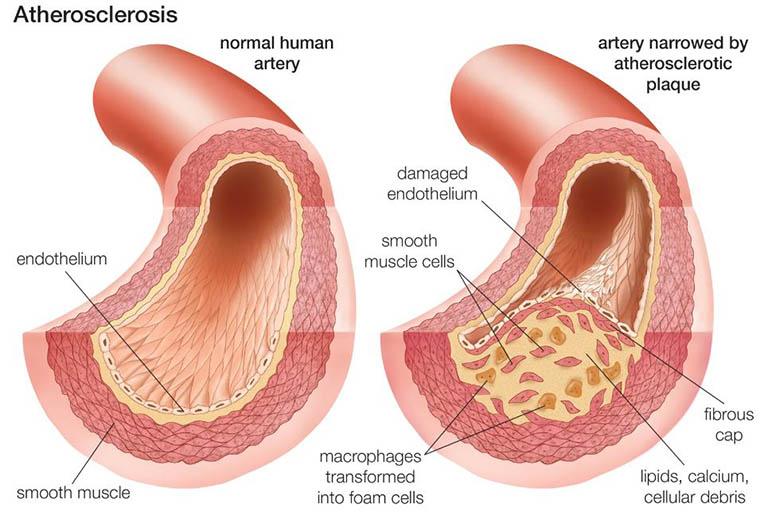
Your arteries are not passive tubes. They are living tissues containing different types of cells that constantly communicate with one another.
The artery wall has three main layers:
- Intima: The innermost layer, lined by endothelial cells that interact directly with circulating blood.
- Media: The middle layer, containing smooth muscle cells that help regulate the artery's structure and flexibility.
- Adventitia: The outer connective tissue layer, containing nerves, supporting cells and small blood vessels that help nourish larger arteries.
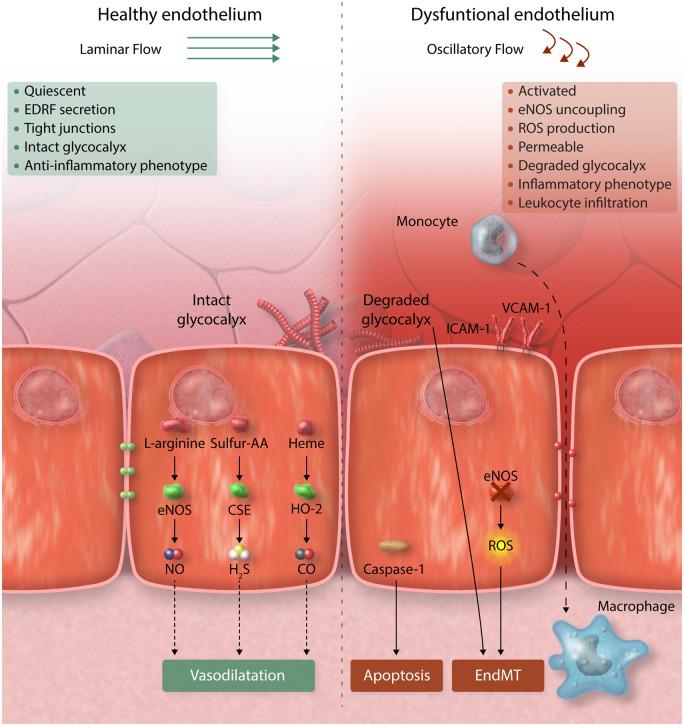
The endothelium is particularly important. It helps regulate blood flow, controls interactions between blood and the artery wall, and influences inflammation and clotting.
When everything is working properly, these systems help maintain healthy blood vessels.
Atherosclerosis develops when the normal balance is disrupted.
2. The First Major Event: ApoB-Containing Particles Enter and Become Trapped
This is where cholesterol enters the story.
LDL particles carry cholesterol through the bloodstream. Other particles, including VLDL remnants and lipoprotein(a), also carry cholesterol and contain apolipoprotein B, or ApoB.
These particles can cross the endothelial lining and enter the artery's inner layer.
Some are able to leave again. Others become trapped.
Why?
The artery wall contains structures called proteoglycans. These are part of its supporting extracellular matrix. They can bind to ApoB-containing particles, retaining them within the arterial wall.
This retention is a crucial early event in atherosclerosis.
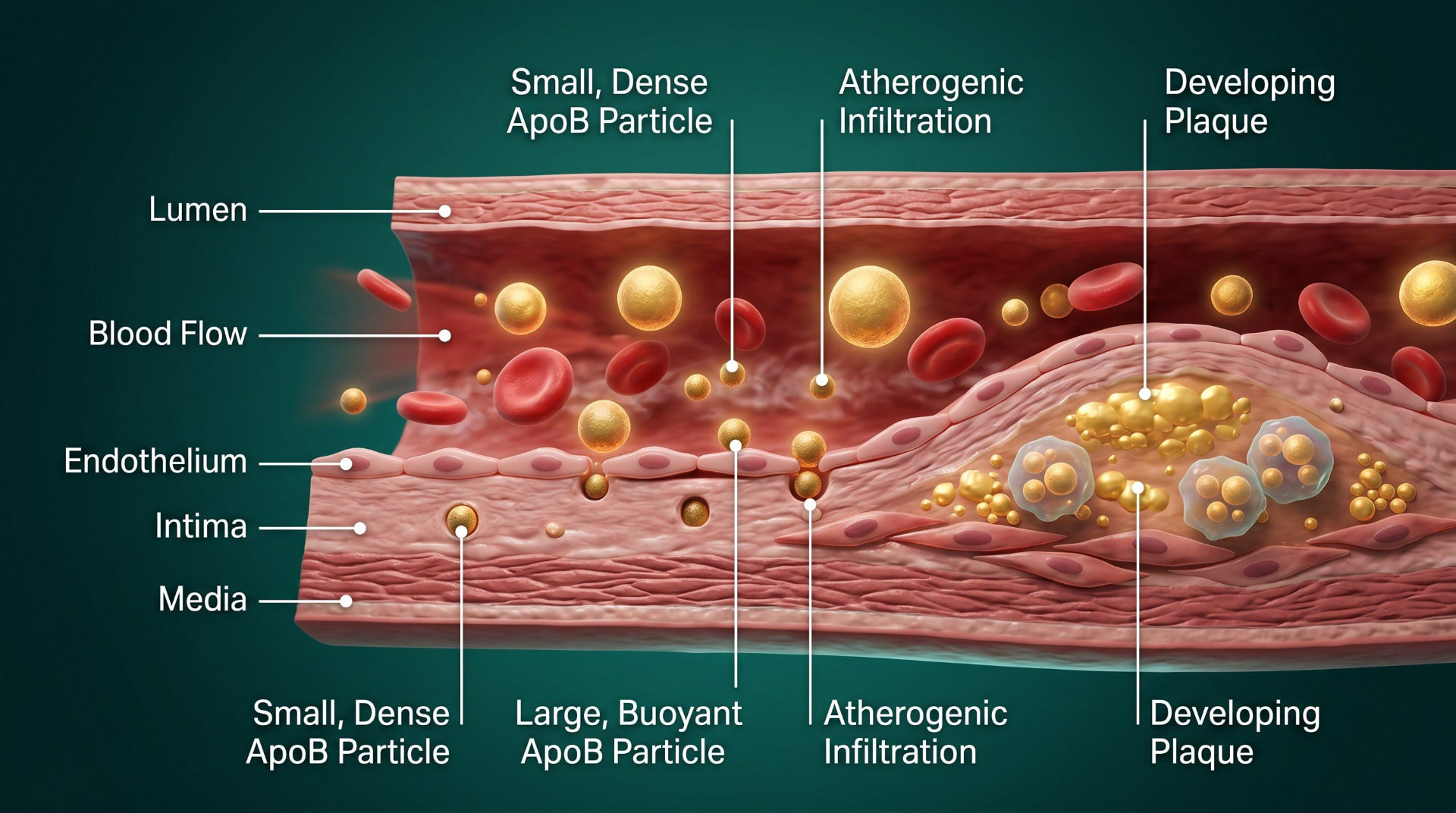
The longer these particles remain in the artery wall, the greater the opportunity for them to undergo chemical changes and trigger biological responses.
This is why ApoB is such an important measurement.
Each atherogenic particle carries one ApoB molecule, so measuring ApoB provides an estimate of the number of potentially artery-damaging particles circulating in the blood.
LDL-C measures the amount of cholesterol carried within LDL particles. ApoB helps estimate how many particles are carrying it.
The distinction matters because two people can have similar LDL cholesterol levels but different numbers of circulating atherogenic particles.
The important point: Lowering ApoB reduces the number of particles available to enter and become trapped in the artery wall. This reduces a fundamental driver of atherosclerosis.
And the evidence supporting this is exceptionally strong.
But particle retention is only the beginning.
3. The Immune System Gets Involved
Once ApoB-containing particles become trapped and modified inside the artery wall, the immune system recognizes that something is happening.
The body responds by recruiting immune cells to the area.
One of the most important types is the monocyte.
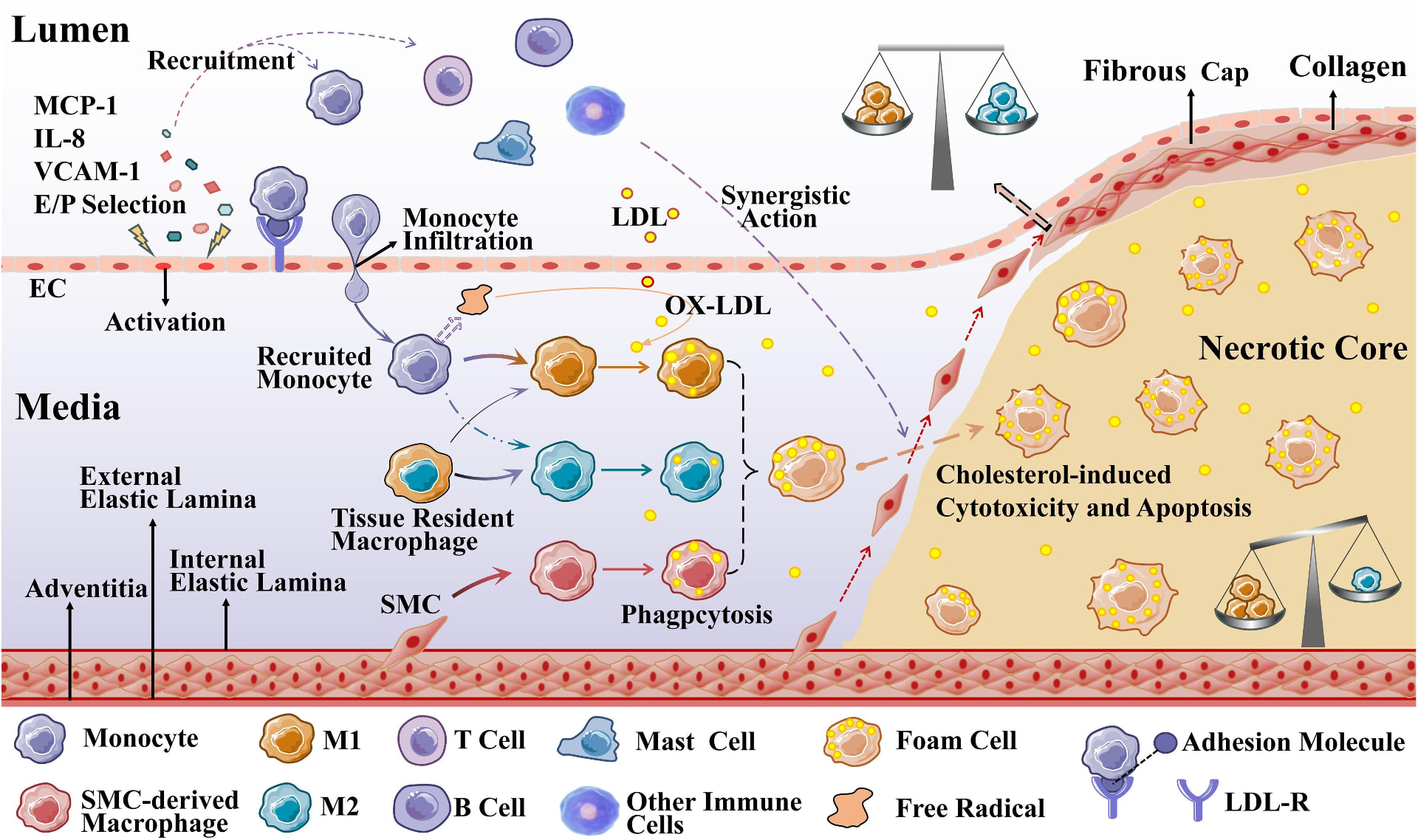
Monocytes circulate in the bloodstream. When they receive signals from an activated artery wall, they can move into the tissue and develop into cells called macrophages.
Macrophages are essentially the body's cleanup crew.
Their normal job is to engulf unwanted material, remove damaged cells and help coordinate tissue repair.
But inside an atherosclerotic plaque, things become complicated.
Macrophages absorb cholesterol-rich material, including modified LDL particles. As they accumulate cholesterol and become overloaded, they can turn into cells known as foam cells.
Foam cells are an important characteristic of developing atherosclerotic plaques.
As more immune cells arrive and more cholesterol accumulates, the plaque can grow.
The immune response, which began as an attempt to deal with a problem, can become part of the problem itself.
This is one reason atherosclerosis is now understood as both a lipid-driven and inflammatory disease.
4. Inflammation: When the Body's Defense System Becomes Part of the Disease
Inflammation is normally a protective response.
When you cut your finger, develop an infection or injure a muscle, inflammation helps coordinate the repair process.
But chronic inflammation is different.
Inside an atherosclerotic plaque, immune cells can release chemical messengers called cytokines. These include:
- IL-1β (interleukin-1 beta): An inflammatory signaling molecule involved in activating immune responses.
- IL-6 (interleukin-6): A cytokine involved in inflammation and the body's wider inflammatory response.
- TNF-α (tumor necrosis factor alpha): Another signaling molecule that can promote inflammation and influence vascular cell behavior.
These signals can encourage additional immune activity and contribute to plaque progression.
One particularly interesting mechanism involves a structure inside immune cells called the NLRP3 inflammasome.
Cholesterol crystals and other danger signals can activate this system, leading to the production of IL-1β and other inflammatory mediators.
This creates the possibility of a self-reinforcing cycle:
- ApoB-containing particles become trapped in the artery wall.
- The retained particles undergo modification.
- Immune cells are recruited.
- Macrophages absorb cholesterol and become foam cells.
- Inflammatory signals encourage further immune activity.
- The plaque continues to develop.
This is not simply a matter of having too much cholesterol in your blood. It is a biological interaction between lipids and the immune system.
An important distinction: Inflammation in the bloodstream and inflammation inside an individual plaque are not the same thing.
A blood test such as high-sensitivity C-reactive protein (hs-CRP) can provide information about systemic inflammation and cardiovascular risk. However, it does not directly measure the inflammatory activity of a particular coronary plaque.
A normal hs-CRP result does not prove that plaque inflammation is absent.
We will investigate this in much greater detail in Article 3 of this series.
5. Oxidative Stress: Another Part of the Process
Our cells constantly produce molecules called reactive oxygen species (ROS).
These molecules are not inherently bad. In controlled amounts, they play important roles in normal cell signaling and immune defense.
The problem arises when their production exceeds the body's ability to regulate and neutralize them.
This imbalance is called oxidative stress.
Inside the artery wall, excessive oxidative activity can:
- Damage cellular structures.
- Reduce the availability of nitric oxide.
- Modify LDL particles and other lipids.
- Activate inflammatory signaling.
- Interfere with normal endothelial function.
One particularly important consequence involves nitric oxide.
Nitric oxide is produced by healthy endothelial cells and helps blood vessels relax. It also helps maintain normal vascular function and discourages excessive platelet and inflammatory cell interactions with the vessel wall.
Oxidative stress can reduce nitric oxide availability, making it harder for the endothelium to perform its normal protective functions.
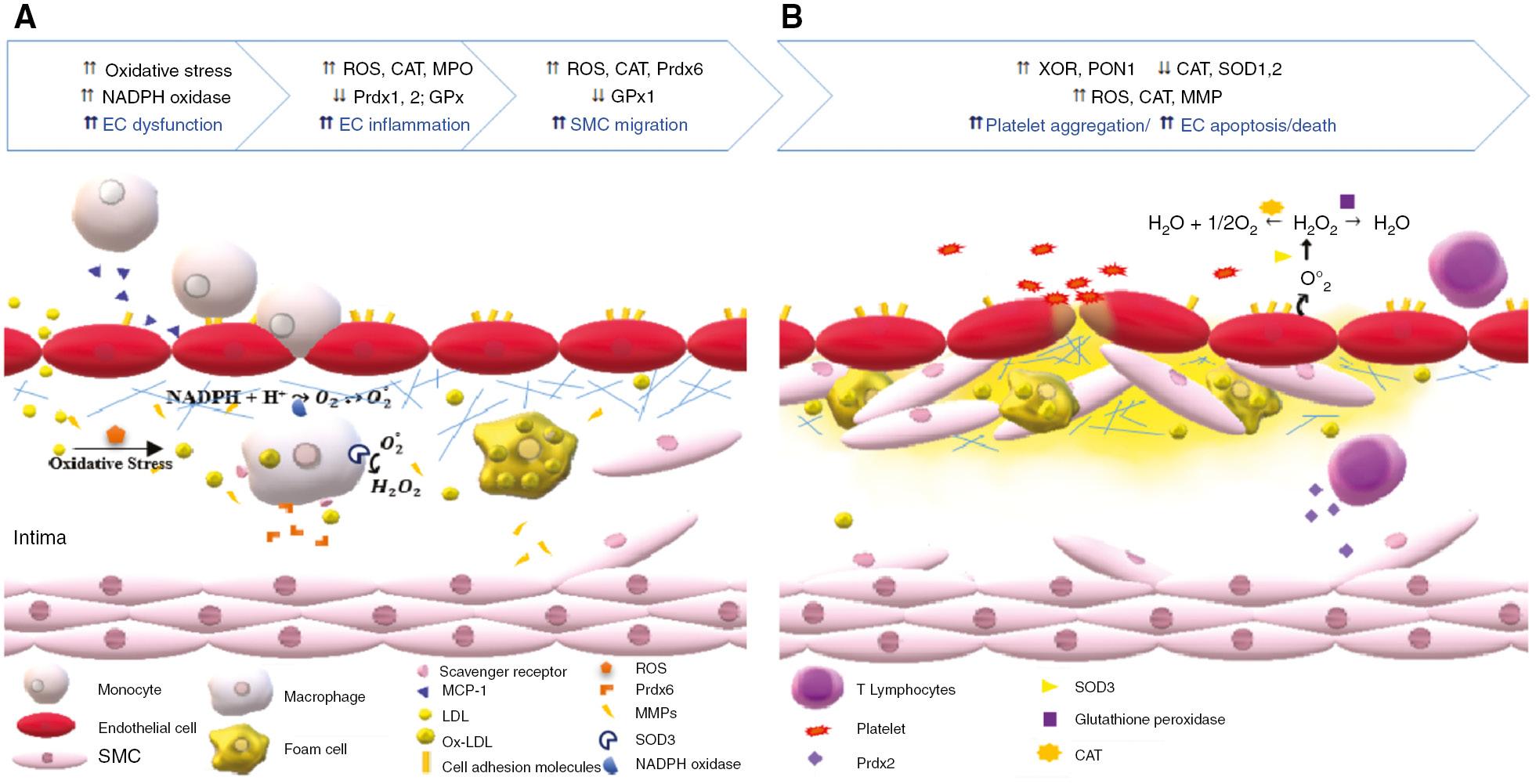
This is one reason researchers have investigated antioxidants such as vitamin C, CoQ10 and various plant compounds.
However, there's a critical distinction between a biological mechanism that makes sense and a treatment that has been proven to prevent heart attacks.
An antioxidant may improve a laboratory measurement without necessarily reducing plaque or cardiovascular events.
We must not confuse the two.
We'll examine the science behind oxidative stress and antioxidant supplements in Article 4.
6. Your Arteries Are Constantly Trying to Repair Themselves
One of the most interesting aspects of atherosclerosis is that the body is not simply allowing plaque to accumulate.
It is constantly attempting to manage and repair the problem.
Several types of cells participate in this process.
Smooth muscle cells
These cells normally help maintain the structure and flexibility of the artery wall.
During atherosclerosis, some migrate from the middle layer into the developing plaque.
They can produce collagen and other structural materials that help form a protective fibrous cap over the plaque.
This cap is important because it separates the plaque's underlying contents from the bloodstream.
Macrophages
Macrophages can remove unwanted material, engulf dead cells and participate in tissue repair.
However, when the inflammatory environment becomes chronic, their ability to clear damaged material can become impaired.
Efferocytosis
This is the scientific term for the process by which cells remove dead or dying cells.
It is particularly important inside atherosclerotic plaques.
When dead cells are efficiently removed, the plaque can better maintain its structure.
When this cleanup system fails, dead cells and cellular debris accumulate. This can contribute to the formation of a necrotic core inside the plaque.
That is potentially important because a large necrotic core, particularly when covered by a thin fibrous cap, is associated with greater plaque vulnerability.
The body's repair systems therefore play an important role in determining what happens to an existing plaque.
We'll return to this subject in Article 7.
7. Not All Plaques Are Equally Dangerous
This is one of the most important concepts in understanding heart disease.
Two people can have substantial coronary atherosclerosis, yet their plaques may have very different characteristics.
Some plaques have:
- A relatively thick fibrous cap.
- More structural collagen.
- Less inflammatory activity.
- A smaller necrotic core.
These are generally considered more stable characteristics.
Other plaques may have:
- A thin fibrous cap.
- A large lipid-rich or necrotic core.
- More inflammatory cells.
- Greater structural weakness.
These characteristics can be associated with greater vulnerability to rupture.
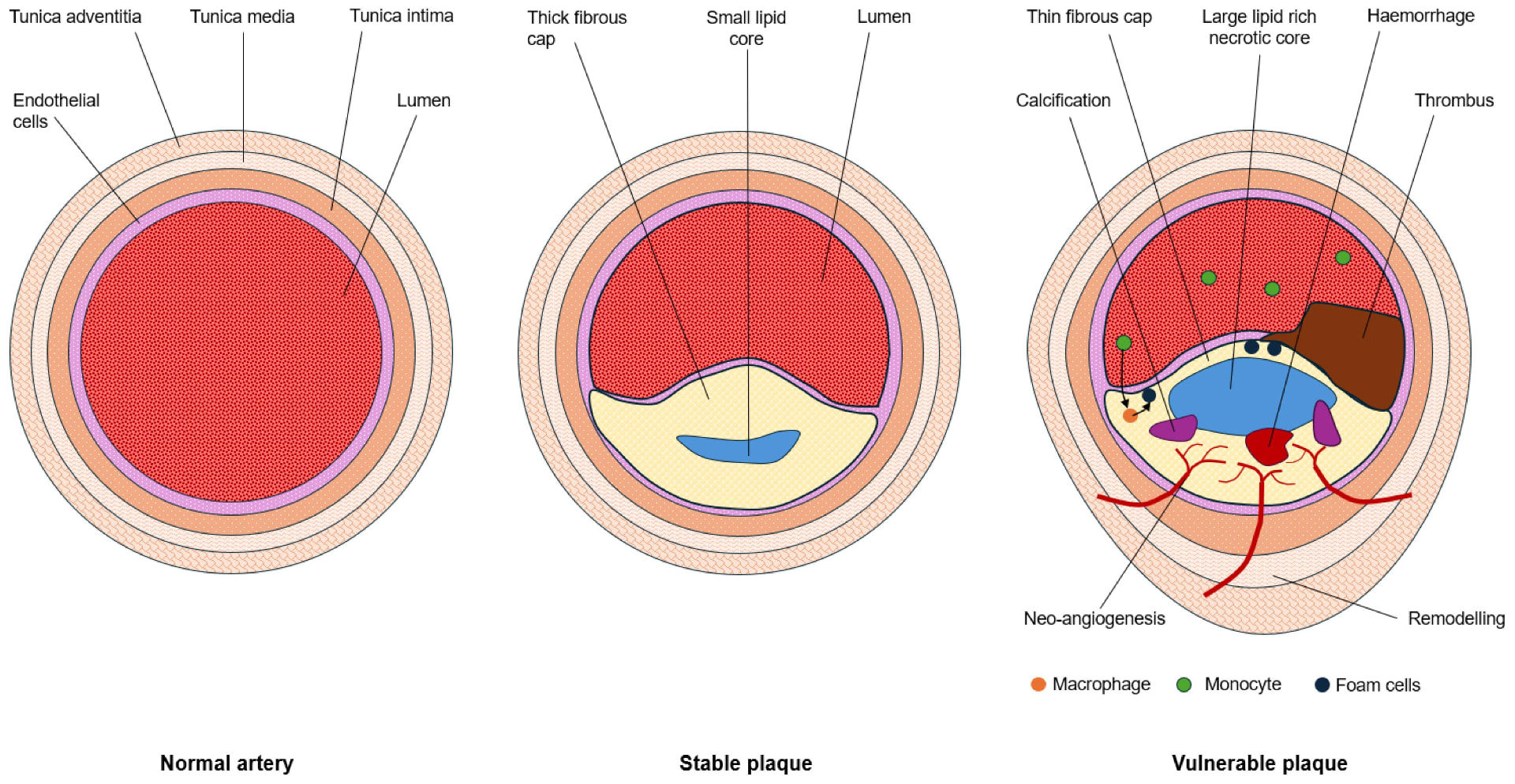
When a plaque ruptures, material inside it becomes exposed to circulating blood.
The body recognizes this as an injury and activates platelets and the clotting system.
A blood clot can form rapidly, potentially obstructing the artery and causing a heart attack.
Importantly, plaque rupture is not the only way an acute coronary event can occur. Plaque erosion can also expose a thrombogenic surface and trigger clot formation.
This helps explain why the amount of plaque in an artery and the immediate risk of a heart attack are related but not identical.
A large plaque does not automatically mean an imminent heart attack, and a less obstructive plaque can sometimes cause a serious event.
We'll explore plaque stability and clot formation in Articles 5 and 8.
8. Calcification: Why Calcium Accumulates in Arterial Walls
As atherosclerosis progresses, calcium can accumulate within the arterial wall.
This is not simply calcium from food settling inside an artery.
Arterial calcification is an active biological process involving vascular smooth muscle cells and other cells that can acquire bone-like characteristics.
The process involves several regulatory proteins.
One particularly interesting protein is matrix Gla protein (MGP), which helps inhibit inappropriate mineralization in vascular tissue.
Vitamin K is required to activate MGP through a process called carboxylation.
This has led researchers to investigate whether vitamin K2 supplementation might help regulate arterial calcification.
Magnesium and vitamin D are also involved in calcium metabolism and vascular biology.
But there is an important unanswered question:
Does improving these biological pathways through supplementation actually reduce coronary calcification or prevent cardiovascular events?
That is a much higher standard of evidence than demonstrating a change in a laboratory marker.
Another important point concerns coronary artery calcium (CAC) scores.
A CAC score measures detectable calcified plaque. It does not measure every component of atherosclerosis, and it cannot independently tell us whether an individual plaque is stable or vulnerable.
Interestingly, successful treatment with statins can sometimes increase the density of existing plaque calcium while reducing lipid-rich plaque characteristics.
Consequently, a rising CAC score does not necessarily mean treatment has failed or that the disease is becoming more dangerous.
We will examine these issues, including the vitamin K2 evidence, in Articles 6 and 10.
9. What Else Influences the Disease?
Atherosclerosis develops over many years, and several factors can influence its progression.
LDL and other ApoB-containing particles remain central, but they do not operate in isolation.
Other important influences include:
| Factor | How it may contribute |
|---|---|
| High blood pressure | Increases mechanical stress on arterial walls and contributes to vascular dysfunction |
| Smoking | Promotes oxidative stress, endothelial dysfunction and inflammation |
| Diabetes and insulin resistance | Contribute to metabolic and vascular abnormalities |
| Chronic inflammation | Can amplify immune activity within plaques |
| Age | Associated with cumulative exposure to risk factors and changes in vascular and immune function |
| Genetics | Influences lipid levels, inflammatory pathways and individual susceptibility |
| Physical inactivity | Adversely affects metabolic health, vascular function and cardiovascular fitness |
| Sleep and metabolic health | Influence blood pressure, metabolic regulation and inflammatory pathways |
These factors interact.
For example, someone with elevated ApoB, high blood pressure and diabetes may have several overlapping mechanisms contributing to atherosclerosis.
Likewise, someone who has controlled their cholesterol exceptionally well may still have other cardiovascular risk factors that deserve attention.
This is why comprehensive cardiovascular prevention matters.
10. If LDL and ApoB Are Already Low, What Happens Next?
This is where the subject becomes particularly interesting.
Lowering ApoB is one of the most powerful ways we have to reduce the development and progression of atherosclerosis.
But lowering ApoB does not instantly remove existing plaque, reverse every biological change or switch off every inflammatory process.
It reduces the supply of particles that contribute to the disease.
That distinction matters.
Consider the different processes involved:
| Biological process | What we know |
|---|---|
| ApoB particle retention | A central causal mechanism of atherosclerosis |
| Endothelial dysfunction | Can persist despite improved cholesterol levels |
| Inflammation | Can continue within established plaques |
| Oxidative stress | Can contribute to vascular dysfunction and plaque biology |
| Impaired cellular cleanup | Can contribute to necrotic core formation |
| Plaque instability | Depends on several interacting biological factors |
| Arterial calcification | Can continue to change even during effective lipid-lowering treatment |
This is why researchers have investigated treatments that target pathways beyond cholesterol.
For example:
- Colchicine reduces inflammatory activity and has demonstrated cardiovascular event reduction in selected patients with established coronary disease.
- Canakinumab, an antibody targeting IL-1β, demonstrated cardiovascular benefit in the CANTOS trial, but increased fatal infections and has not become routine cardiovascular treatment.
- Statins lower ApoB-containing lipoproteins and also influence inflammatory activity and plaque composition.
- PCSK9 inhibitors substantially reduce LDL cholesterol and cardiovascular events, with evidence of reduced atherosclerotic plaque progression in imaging studies.
- Exercise improves cardiovascular fitness, blood pressure, metabolic health and aspects of endothelial function.
These examples illustrate an important point: different treatments can influence different parts of the disease process.
However, not every promising mechanism translates into a clinically useful treatment.
The CANTOS trial, for example, demonstrated that targeting inflammation can reduce cardiovascular events independently of changes in LDL cholesterol. But it did not establish that every anti-inflammatory supplement or intervention will produce the same benefit.
That distinction is essential to this entire series.
11. What About Supplements?
This is where we will eventually take our investigation.
There are several substances that have attracted scientific interest because they influence biological processes involved in atherosclerosis.
| Substance | Biological mechanism being investigated |
|---|---|
| Vitamin C | Antioxidant defenses, collagen production and endothelial function |
| Vitamin K2 | Activation of matrix Gla protein and regulation of calcification |
| Aged garlic extract | Blood pressure, oxidative stress, inflammation and possible effects on plaque |
| CoQ10 | Mitochondrial energy production and antioxidant activity |
| Magnesium | Vascular function and calcium regulation |
| Omega-3 fatty acids | Triglyceride metabolism and inflammatory signaling |
| Polyphenols | Antioxidant and cell-signaling pathways |
These are legitimate subjects for scientific investigation.
But we need to apply the same standard to every one of them.
There are three different levels of evidence:
- Mechanistic evidence: A substance influences a biological process in laboratory experiments or animal studies.
- Human biomarker evidence: A substance changes a measurable indicator, such as CRP, oxidative stress or endothelial function.
- Clinical outcome evidence: A properly conducted human trial demonstrates a reduction in heart attacks, strokes or cardiovascular deaths.
These are not interchangeable.
A supplement that improves endothelial function has not necessarily reduced coronary plaque.
A supplement that lowers CRP has not necessarily prevented heart attacks.
And a supplement that slows a calcium-related process in laboratory experiments has not necessarily reduced cardiovascular risk in humans.
We should be particularly careful about extrapolating from animal studies to human treatment recommendations.
The real question is not whether a supplement can influence a biological mechanism. It is whether that influence produces a meaningful health benefit in people.
That is the standard we will apply throughout this series.
12. What Don't We Know Yet?
Despite decades of research, important questions remain unanswered.
Some of the most interesting include:
- Why do some people continue to experience cardiovascular events despite achieving very low LDL and ApoB levels?
- Can we reliably identify which plaques are most likely to rupture?
- Can we improve the body's ability to remove dead cells from established plaques?
- Can inflammation be reduced safely without interfering with the immune system's protective functions?
- Can we influence plaque stability independently of reducing ApoB?
- Can vitamin K2 or other nutrients meaningfully influence arterial calcification in humans?
- Which combinations of treatments offer additional protection beyond established cardiovascular therapies?
Researchers are investigating these questions, but many proposed approaches remain experimental.
We should also recognize that atherosclerosis is not a single uniform disease. Different people can have different combinations of lipid abnormalities, inflammatory activity, metabolic problems and genetic susceptibility.
This makes individualized cardiovascular risk assessment important.
And it explains why no single supplement, blood test or lifestyle intervention can address every aspect of the disease.
13. Safety: An Important Word About Treatments and Supplements
Understanding a biological mechanism does not automatically make it safe to manipulate that mechanism.
For example:
- Excessive antioxidant supplementation is not necessarily beneficial and can sometimes cause harm.
- Vitamin K supplements can interfere with warfarin and other vitamin K antagonists.
- High-dose vitamin C can increase the risk of kidney stones in susceptible individuals.
- Colchicine has important drug interactions and requires attention to kidney and liver function.
- Combining supplements with aspirin, anticoagulants or other medications can increase bleeding or other risks, depending on the substance.
No supplement should replace proven cardiovascular treatment.
We will examine individual doses, safety concerns and medication interactions in the relevant articles rather than assume that something beneficial in theory is harmless in practice.
THE WATCHDOG TAKEAWAY
Atherosclerosis is much more than cholesterol accumulating inside arteries.
It is a complex biological process that begins with the retention of ApoB-containing particles in the artery wall and develops through interactions involving the endothelium, immune system, inflammation, oxidative stress, cellular repair and calcification.
But let's be clear about something:
Cholesterol is not just one factor among many. ApoB-containing lipoproteins are fundamental causal drivers of atherosclerosis.
The evidence supporting the importance of lowering LDL and ApoB is considerably stronger than the evidence supporting any individual supplement.
That doesn't mean other biological processes are unimportant.
It means we need to understand the hierarchy of evidence and avoid treating promising mechanisms as proven therapies.
The opportunity for future research is to discover whether influencing these additional processes can provide meaningful protection beyond what we already achieve through established treatments.
For now, the strongest foundation remains reducing exposure to atherogenic lipoproteins, controlling blood pressure, avoiding smoking, managing diabetes and maintaining good metabolic and cardiovascular health.
And perhaps the most important lesson is this:
We should not stop investigating what happens inside our arteries simply because we have successfully lowered our cholesterol.
There is considerably more to understand.
This is where our investigation begins.
EVIDENCE LEVEL
STRONG — ApoB-containing lipoproteins: ApoB-containing lipoproteins are causal drivers of atherosclerosis. Lowering LDL and ApoB reduces cardiovascular risk.
STRONG — Inflammation and immunity: Inflammation and immune-cell activity contribute to plaque development and progression.
STRONG — Plaque structure: Plaque structure, including its fibrous cap and necrotic core, influences vulnerability.
STRONG — Conventional risk factors: Blood pressure, smoking, diabetes and other metabolic factors influence atherosclerotic cardiovascular risk.
MODERATE — Additional biological mechanisms: Oxidative stress, impaired cellular cleanup and vascular calcification are important biological mechanisms, although the clinical implications of targeting each independently remain less established.
LIMITED — Individual supplements: The ability of individual supplements to meaningfully improve coronary plaque or prevent cardiovascular events beyond established treatment remains uncertain.
SOURCES AND FURTHER READING
These scientific publications provide the foundation for this article. Original clinical trials and additional research will be examined in greater detail throughout the series.
European Atherosclerosis Society (2017). Ference et al. Low-density lipoproteins cause atherosclerotic cardiovascular disease: Evidence from genetic, epidemiologic, and clinical studies. European Heart Journal.
European Atherosclerosis Society (2020). Borén et al. Low-density lipoproteins cause atherosclerotic cardiovascular disease: Pathophysiological, genetic, and therapeutic insights. European Heart Journal.
Ridker et al. (2017). Antiinflammatory Therapy with Canakinumab for Atherosclerotic Disease. New England Journal of Medicine.
Nidorf et al. (2020). Colchicine in Patients with Chronic Coronary Disease. New England Journal of Medicine.
Nicholls et al. (2016). Effect of Evolocumab on Progression of Coronary Disease in Statin-Treated Patients: The GLAGOV Randomized Clinical Trial. JAMA.
WHAT'S NEXT IN THE SERIES?
PART 1 — ARTICLE 2
The Endothelium: Your Arteries' First Line of Defense
Before plaque develops, the artery wall is already doing an extraordinary job of regulating blood flow, controlling inflammation and protecting itself.
We'll investigate nitric oxide, endothelial dysfunction, exercise, vitamin C and what human research actually tells us about maintaining healthy blood vessels.
Senior Life Watchdog — We don't tell you what to think. We help you find out what's true.