
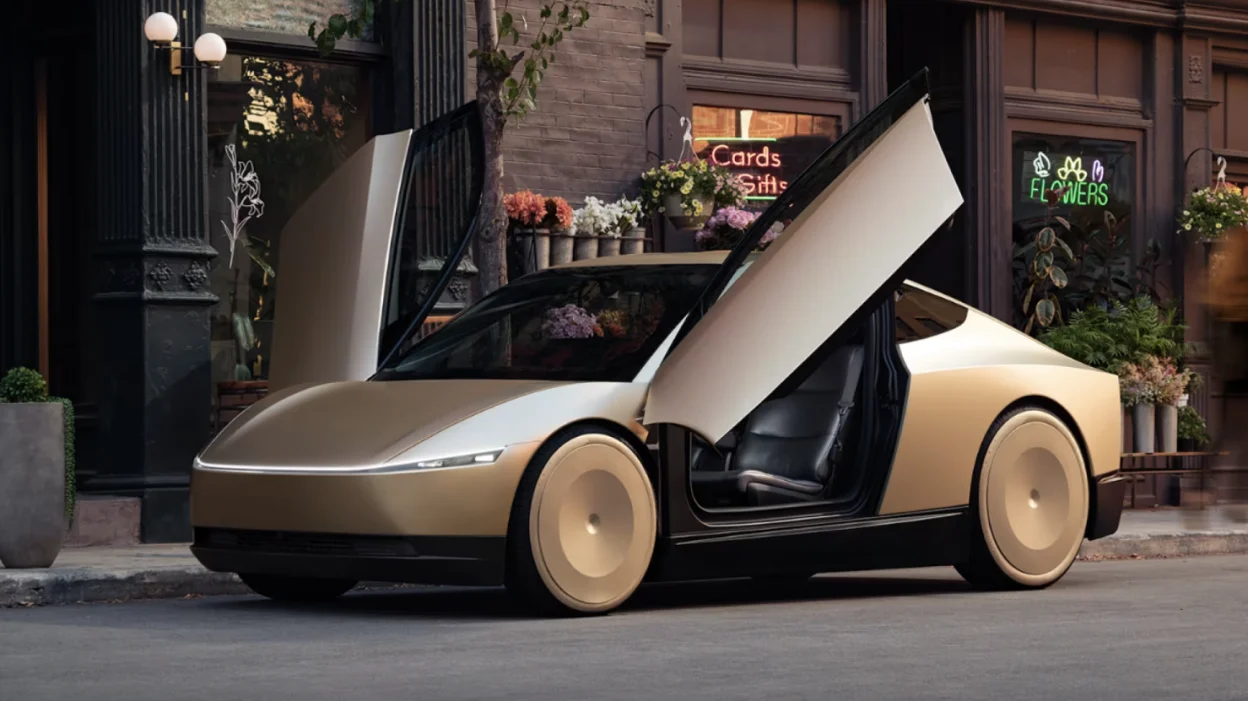
Imagine calling a car on your phone, getting in, entering your destination, and being driven across town — without a driver, steering wheel, or pedals.
That is the idea behind Tesla's Cybercab, a purpose-built electric vehicle designed to operate as a fully autonomous taxi.
It isn't just another electric car. It represents a different vision of transportation: one in which people may eventually pay for journeys rather than own and drive their own vehicles.
But how close are we to that future, and what needs to happen before we can trust it?
What Is the Cybercab?
The Cybercab is a compact, two-passenger electric vehicle designed specifically for autonomous transportation.
Its unusual features include:
- No steering wheel.
- No accelerator or brake pedals.
- Two passenger seats.
- A central touchscreen.
- Distinctive upward-opening doors.
Unlike a conventional car, it is not designed for a person to take control and drive. Its purpose is to transport passengers using autonomous driving technology.
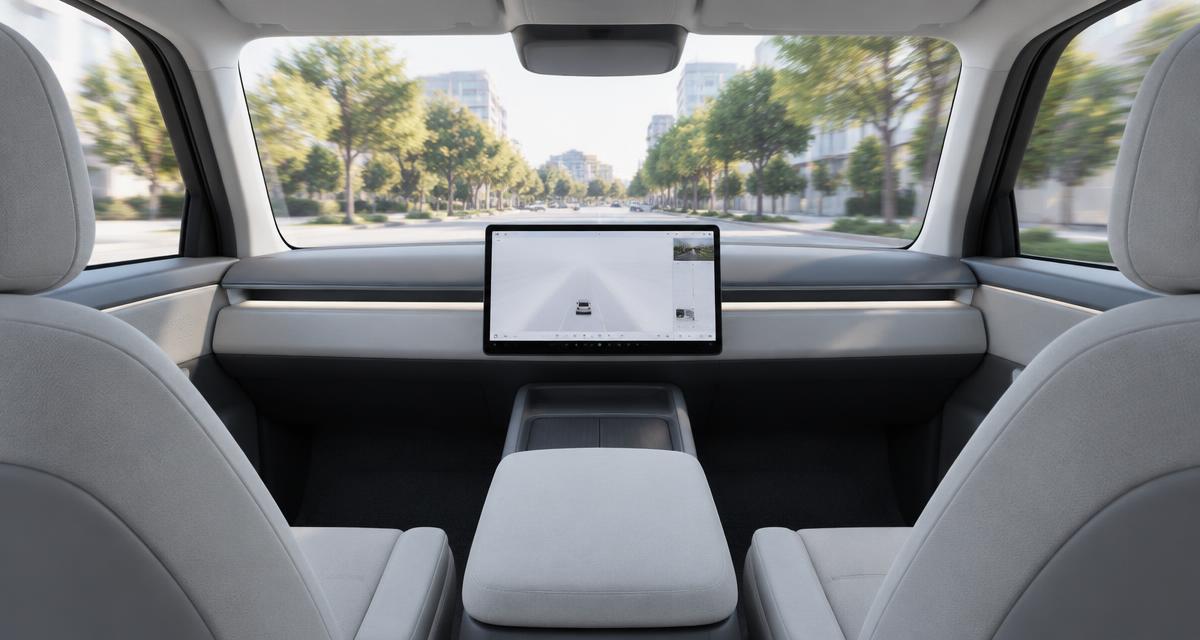
Tesla began production in 2026 and started deploying Cybercabs commercially in Austin, Texas, in September.
How Does It Drive Itself?
The Cybercab relies on artificial intelligence and cameras to interpret its surroundings and make driving decisions.
The system must recognize traffic lights, road signs, pedestrians, other vehicles, road markings, and unexpected obstacles.
It then uses that information to decide when to stop, turn, change lanes, or proceed.
Tesla's approach relies heavily on cameras and AI rather than the combination of cameras, radar, and lidar used by some competitors.
This is a significant technological challenge. Recognizing familiar road situations is one thing. Handling an unexpected event safely, consistently, and without human intervention is another.
A truly autonomous vehicle must be capable of handling both.
Is It the Same as Tesla's Robotaxi?
Not exactly.
Tesla's Robotaxi is the transportation service. It has operated using modified Model Y vehicles as well as the newer Cybercab.
The Cybercab is the purpose-built vehicle intended to become a major part of that service.
Tesla has been expanding its driverless transportation operations in selected American cities, although availability, operating areas, and the level of autonomy vary.
One important distinction: Tesla's consumer Full Self-Driving system still requires active driver supervision. It should not be confused with a genuinely driverless taxi service.
Why Could This Change Transportation?
If autonomous vehicles become safe, reliable, and affordable, the implications could be enormous.
Less need to own a car
People who only need occasional transportation might find it cheaper to summon a vehicle than to purchase, insure, maintain, and park one.
Greater independence
People who cannot drive because of age, disability, or other limitations could gain access to transportation without depending as heavily on family or friends.
Potentially lower transportation costs
A driverless service could eventually reduce the cost of each journey by eliminating the need to pay a human driver. Whether those savings reach passengers will depend on operating costs, maintenance, insurance, and competition.
More efficient use of vehicles
Privately owned cars spend much of their time parked. A shared autonomous fleet could serve multiple passengers throughout the day.
New transportation possibilities
A reliable driverless network could change how people commute, travel locally, and access services.
These are potential benefits, not guaranteed outcomes. They depend on the technology becoming dependable and the economics making sense.
What About Safety?
This is the biggest question — and one that deserves more than optimistic demonstrations.
A driverless vehicle must deal with unpredictable situations: a child running into the road, a cyclist changing direction, a vehicle suddenly braking, or an emergency vehicle approaching.
It must also cope with poor visibility, unusual road layouts, construction, and situations it may never have encountered before.
Tesla's Cybercab has already attracted federal regulatory scrutiny.
In September 2026, the National Highway Traffic Safety Administration (NHTSA) opened an investigation into Tesla's self-certification that the Cybercab meets federal vehicle safety standards.
The concern is particularly relevant because the vehicle lacks conventional human controls, including a steering wheel and pedals. Regulators are examining how Tesla determined that the vehicle complies with existing safety requirements.
An investigation does not establish that a vehicle is unsafe or that Tesla has violated the law. It means the regulator wants to examine the evidence behind the company's certification.
But it highlights an important point: innovation does not remove the need for independent safety oversight.
Who Is Responsible When Something Goes Wrong?
This is one of the more complicated questions surrounding autonomous transportation.
With a conventional vehicle, responsibility generally begins with the driver. With a driverless vehicle, the picture becomes more complicated.
Depending on the circumstances, questions may involve the vehicle manufacturer, software developer, fleet operator, maintenance provider, or other parties.
Clear rules about liability, insurance, accident reporting, and passenger protection will be essential as these services expand.
People need to know not only that a vehicle can drive itself, but also who is accountable when it fails.
Will People Be Able to Buy One?
Tesla has indicated that it intends to begin making Cybercabs available to customers, initially on a limited basis.
However, its main business model is expected to be transportation as a service, with Cybercabs operating in Tesla's own Robotaxi fleet.
Elon Musk has previously discussed a target price below $30,000, but that should not be treated as a confirmed retail price.
Availability, pricing, regulatory approval, and the practicalities of owning a vehicle without conventional driving controls remain important uncertainties.
What Could It Mean for Older Adults?
One of the most meaningful potential benefits of autonomous transportation may be greater independence.
For some people, giving up driving can mean losing access to shopping, medical appointments, social activities, and everyday independence.
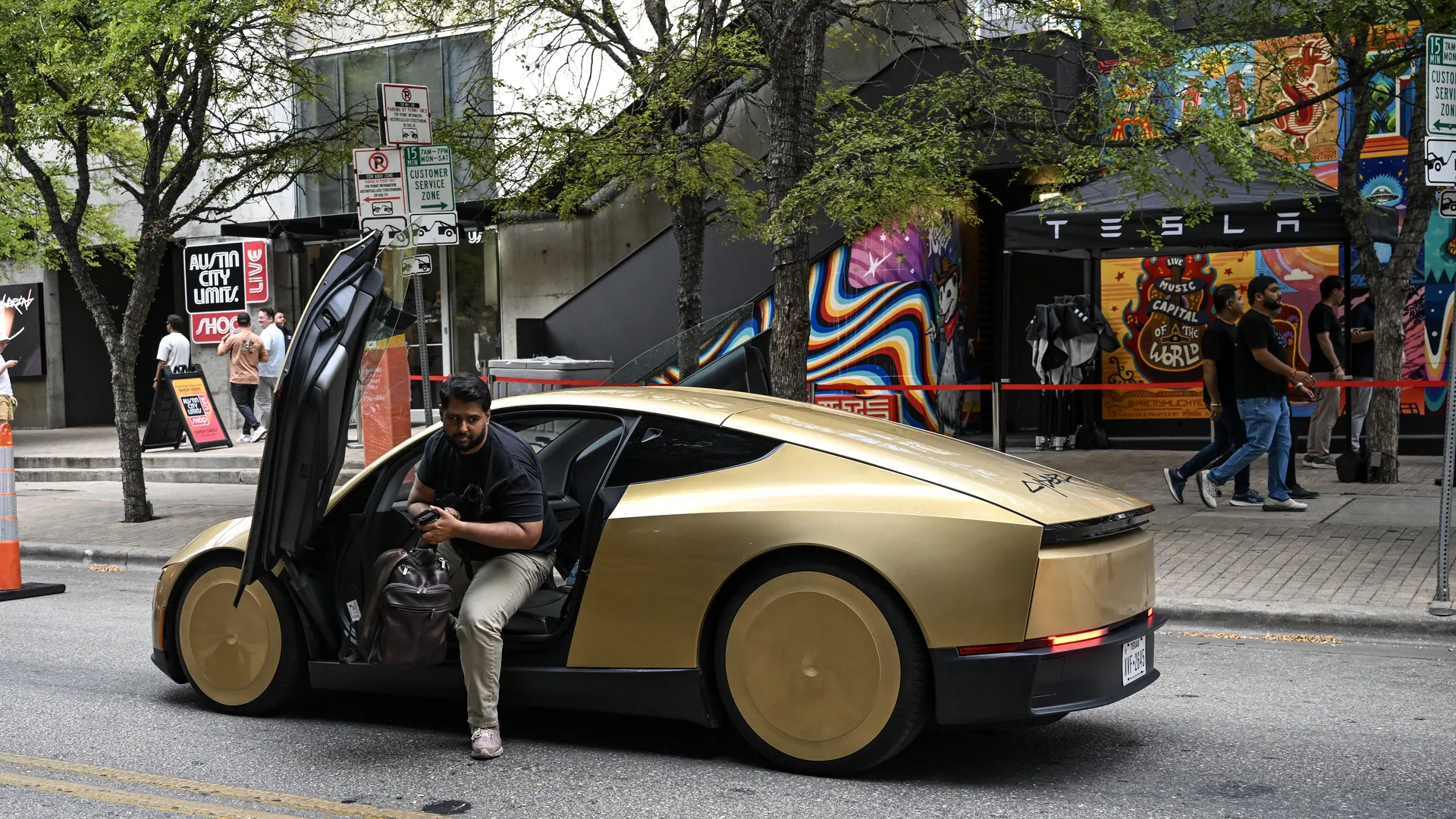
Reliable driverless transportation could help people maintain their freedom of movement for longer.
It could also reduce the burden on family members who regularly provide transportation.
But the service would need to be accessible to people with mobility limitations, easy to summon and use, affordable, and dependable. A vehicle that cannot accommodate a wheelchair or assist someone who needs help entering and exiting would leave many people behind.
The technology must work for passengers, not just demonstrate impressive driving ability.
Watchdog Takeaway
Tesla's Cybercab represents an important step toward a future in which transportation may no longer require people to own or drive their own cars.
The potential benefits are substantial: greater independence, new mobility options, and possibly lower transportation costs.
But the central question isn't whether a car can drive itself. It's whether it can do so safely, reliably, affordably, and under proper oversight.
The technology is advancing. Whether it is ready to become part of everyday life is a different question.
The real test of autonomous transportation will not be how impressive it looks on the road. It will be whether ordinary people can trust it with their lives.
Evidence: MODERATE
The Cybercab's design, production, and initial deployment are documented. Its longer-term safety, affordability, reliability, and impact on transportation remain to be established.
Sources
- Tesla — Third Quarter 2026 Form 10-Q(opens in a new tab)
- NHTSA — Investigation into Tesla Cybercab Self-Certification (September 4, 2026)(opens in a new tab)
- Reuters — U.S. Opens Probe into Tesla Cybercab Certification (September 4, 2026)(opens in a new tab)
- Tesla — Second Quarter 2026 Update(opens in a new tab)
- Associated Press — Federal Investigation into Tesla's Steering-Wheel-Free Taxis(opens in a new tab)